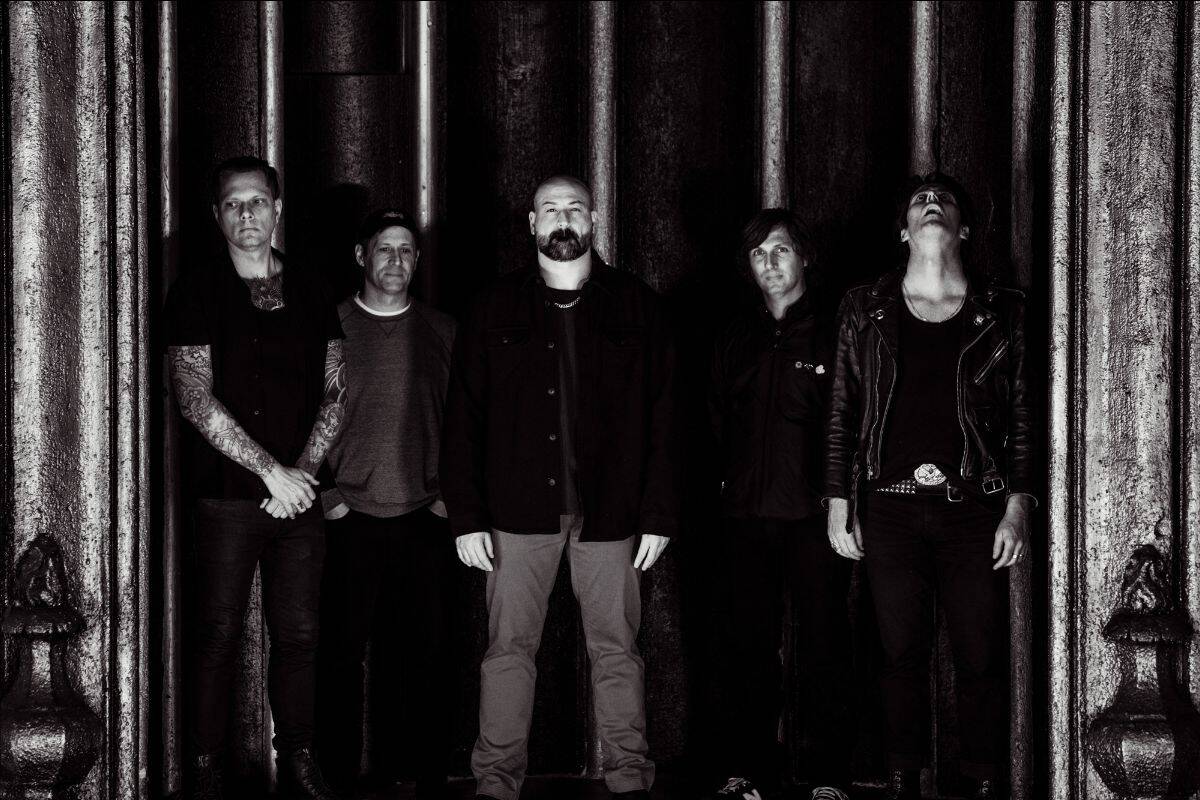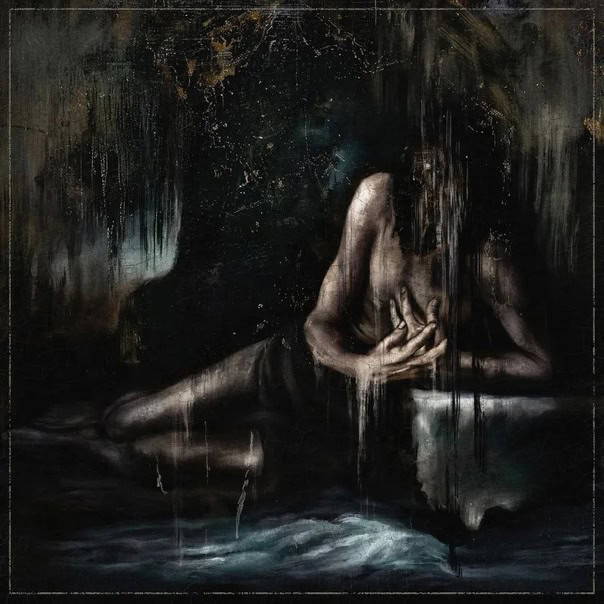
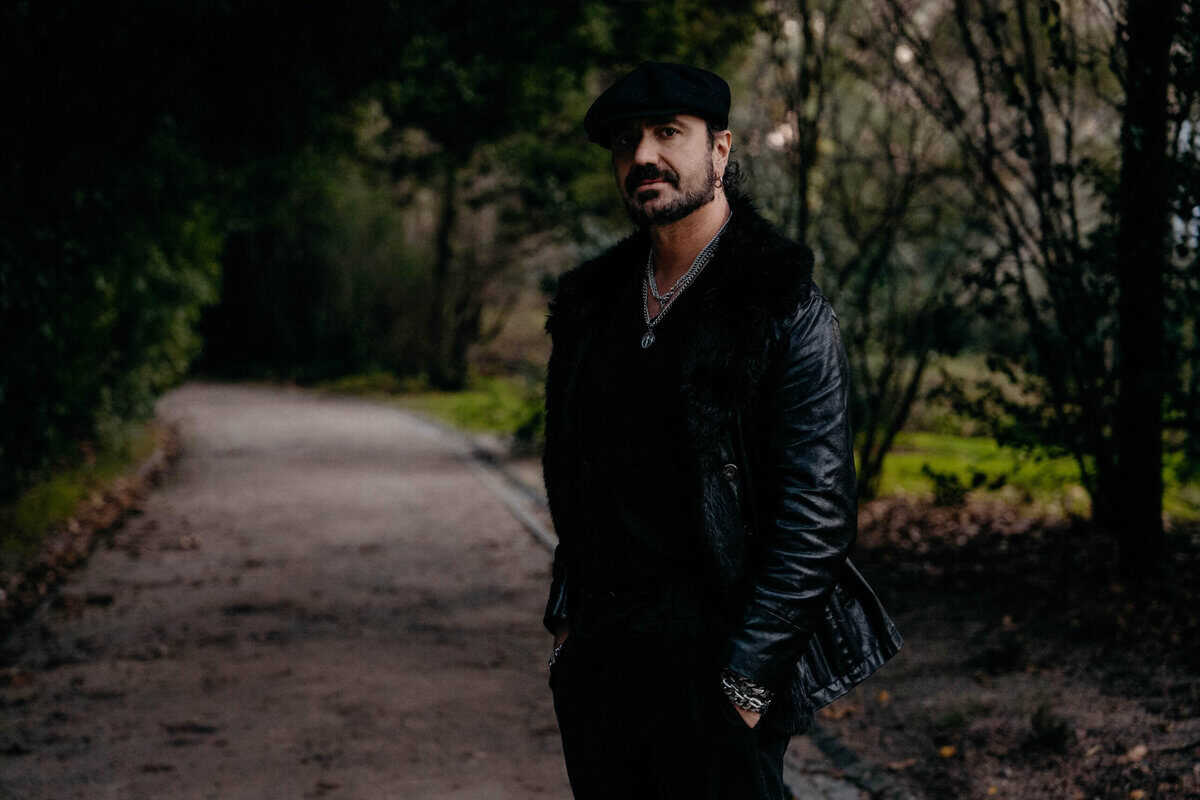
“There are artists who follow the tide and artists who become the tide themselves. For over 30 years, Fernando Ribeiro and Moonspell have been the poetic voice of European gothic metal, transforming Atlantic melancholy into universal art. In an exclusive and deeply philosophical discussion for SoundStoriesByJo, Metal War, Fernando speaks to us about ‘saudade’, his connection to ancient Greek tragedy, and the revelation of the year: the new Moonspell album arriving in July 2026.
Ladies and gentlemen, Fernando Ribeiro in a true soul-searching interview.”
Jo: Moonspell has navigated through the shadows for over three decades. When you look back at the early days of Wolfheart, do you see a different person, or is the “wolf” inside you still hunting with the same hunger?
Fernando: I hope that, at least a few times, we’ve approached the light too. Now, I do not only see myself as a different person: I am a different person! All the change was shaped by everything we’ve lived through on this big and unusual adventure that is Moonspell—a voyage extraordinaire, as Jules Verne would put it.
I don’t know if I have a wolf inside me, or if he needs to be fed. For me, all is artifice and imagination; and that’s exactly what makes it more authentic, even pure. Sure, I’ve analyzed the past too many times. I’ve certainly dreaded the present and feared for the future more times than I dare to confess, but the fact that I’m still here, avoiding analogies and pointing my headlights into the bleak darkness that is life and existence, is the best answer I can come up with in this moment of ours.
Jo: Your music often carries a specific Portuguese melancholy (Saudade). How does the Atlantic breeze and the history of your land influence the “soundstories” you create?
Fernando: In the Middle Ages, Portugal was the end of the known world. To the west, there were sea monsters and a liquid Atlantic darkness without end—until we braved it for whatever reason. For survival, maybe, or to stand against the East and our neighbors, Spain, who coveted us; to stand against the winds of danger and change.
I believe this “end of the earth” state of mind is what best describes the influence of our Portuguese melancholy, embodied in the untranslatable word saudade. I once tried to describe Portugal to a friend who chose to move here, and she was quite bewildered by my explanation. I told her: “In Portugal, we want but we don’t want; we love but we hate too; we are present but away.” Moonspell might just as well be my personal inquiry into that restlessness of the Portuguese heart and soul.
Jo: You have a very special bond with the Greek audience. Do you feel that there is a common “Mediterranean darkness” that connects the souls of Portuguese and Greek fans?
Fernando: I guess we are all in the same “civilization-sinking” boat, and that’s why we understand each other. I have a friend there, Alexis, and we are always “disputing” over who makes things worse: Greece or Portugal. It’s funny, but it also illustrates what we are about.
You’re right, though: when I met Rotting Christ back in the 90s, we connected immediately. Maybe it’s the sensation that our countries were meant to do great things but got dumped on the curb; maybe it’s the sea, the freedom to fall, or the national debt and the Troika. Maybe our music and live shows explain it better than I do—I certainly hope so.
Jo: You are a writer and a poet yourself. If you had to choose one book that best describes the atmosphere of Moonspell’s entire discography, which one would it be?
Fernando: From the Earth to the Moon by Jules Verne or Doctor Faustus by Thomas Mann.
Jo: From Irreligious to Hermitage, there is always a layer of occult philosophy in your work. Is music for you a form of modern alchemy or a ritual of escapism?
Fernando: Our music is as human as occult philosophy is. I strongly believe everything is traceable to mankind and that we do have the power of good and evil—and of what lies in between, in the grey zones. Our music might just be us peeping over to the other side of the wall, trying to be careful not to fall.
Jo: Our platform focuses on the narratives behind the music. Is there a “story” or a myth you haven’t told yet but feels like it’s waiting for its time to be composed?
Fernando: Many. For the new album, I went back to romantic love as invented by literature—vampires, wolves, Catholicism. But I’m dying to find a new concept where I can talk about the old, absurd geographies of Earth and how chronicles used to describe them. That might be the leeway to a new Moonspell album, maybe sung in Portuguese again.
Jo: Your vocal style has evolved from raw black metal growls to deep gothic crooning. How do you choose the “mask” your voice will wear for each new song?
Fernando: For me, lyrics are like scripts or librettos, and I adapt my vocals to whatever the words need. If they need more fury or pain, I growl; if they need more love or heartbreak, I tend to croon. I keep it simple.
Jo: Your latest studio album, Hermitage, was about solitude and distance. After the world experienced actual isolation, how do you perceive the message of that album today?
Fernando: I don’t know. Hermitage was an album that came out in the weirdest of times. We were also experimenting more with our music and added a noticeable progressive influence, which divided our fanbase even though the reviews were mostly awesome.
That makes a band wonder: to please the critics, must one alienate their followers? The album’s theme was surely distance, and at the time of its release, distance was something people had to deal with on a daily basis, so I guess it was uncomfortable for some. We had already made the “right” albums at the right time—namely Irreligious or Extinct. Hermitage was not that lucky. There is some poetry in releasing music that is difficult for some, but I believe a lot of things about Hermitage didn’t get through, and I can only wonder why. It’s a solid album, full of personality and zero formulas, but definitely not the “flavor of the day” for everybody.
Jo: You have performed legendary shows in our city. Is there a specific moment from Thessaloniki or Athens that still haunts your memory in a positive way?
Fernando: Shows are always awesome. Even though our last headlining shows in Thessaloniki and Athens weren’t full, we came back in style supporting Dark Tranquillity and had a great response. I love to perform live; I like the theatre that comes with it, so I never complain about shows as we always “leave our skin” on stage.
But true memories come from the people you meet and the experiences you have with culture, food, wine, and people. I must say Greece always delivered! My best time in Greece was actually outside the cities, at the Nikos Kazantzakis Museum in Myrtia—that’s more my kind of thing.
Jo: You recently released the From Down Below live recording. What is the next step for Moonspell? Are there already some new “shadows” being formed in the studio?
Fernando: FDB is already old news; it was released in 2022. In the meantime, we released another live album in 2025, Opus Diabolicum, recorded live in Lisbon with an orchestra. But you’re on to something, as we just finished our new album and will release it in July this year. Wish us luck!
Jo: In an era of AI and fast-consumption music, Moonspell remains deeply atmospheric and organic. Is maintaining “authenticity” a struggle or a natural necessity for you?
Fernando: Music has a basic principle: no input, no output. That said, I do embrace new technologies and the spirit they carry, as long as I remain conscious that I am the input and that I set the criteria for what technology might bring me.
The Nietzschean “master and slave” theory is very accurate in describing our relationship with the digital era. We seem to forget we are the ones behind the things we created. It was the same with gods—we got overwhelmed by them. As Feuerbach puts it: we lost control. The same might happen to technology, but don’t forget that letting go and avoiding responsibility is a choice of ours.
To be authentic is to not let go, and to remember that “the finger on the button” is, was, and shall be ours. We control every single note and aspect of our music; even if we use a computer for help, we bloody program it to do our bidding! Everything is a struggle if you are in a goth metal band from Portugal. If you mean “necessity” in the philosophical sense of being unavoidable, then yes—our music became a necessity for us. Without it, or without control over it, we’d be done.
Jo: How would you like the story of Moonspell to be remembered by the “lost children” of the future?
Fernando: I strongly believe that the newer generations aren’t the “lost children” that we and our parents were. It’s pure entitlement to think otherwise. Having said that, it’s not our choice to be remembered; “posterity” is not our call. More important things than our music have been forgotten, buried by time and dust. In this aspect, it’s much better to be intense when your time is now than to save it up for the future. No one can be sure about becoming a living memory. As much as it feels absolutely great for us that people mention us as a part of their lives, growth, and emotions, it’s a mistake to take it for granted. We are nothing but dust.
Jo: Fernando, you are a soul that breathes through both music and literature. If you could travel back in time to Ancient Greece and have a conversation with one of the great tragic poets or philosophers, who would it be? And do you feel that their “ancient stories” are still being told through the melancholic melodies of Moonspell?
Fernando: Hard to choose, but I’d say Aeschylus. He invented one of my main influences: the Faustian pact, the rebellion of titans or angels, and the sharing of fire with humankind. It’s the most fascinating tale about the human condition—one that defies our imagination and reason while telling us all we need to know about our fate, choices, and our inner power for destruction and construction. Tragedy or comedy, love and hate: all dichotomies are contained in such a story. Our story.
Closing Note: We would like to express our deepest gratitude to Fernando Ribeiro for this spiritual journey. Through his words, the “soundstories” of Moonspell have taken on a new dimension, reminding us that as long as there is darkness, Aeschylus’ fire will always be there to guide us. The band’s new chapter begins this July, and we will be there to follow it. Stay tuned for more stories behind the sound.
Best regards,
Jo Gonas, Metalwar Team
Lead Editor | Music Contributor
SoundStoriesByJo (soundstoriesbyjoblog.wordpress.com)
Metalwar (metalwar.gr)