
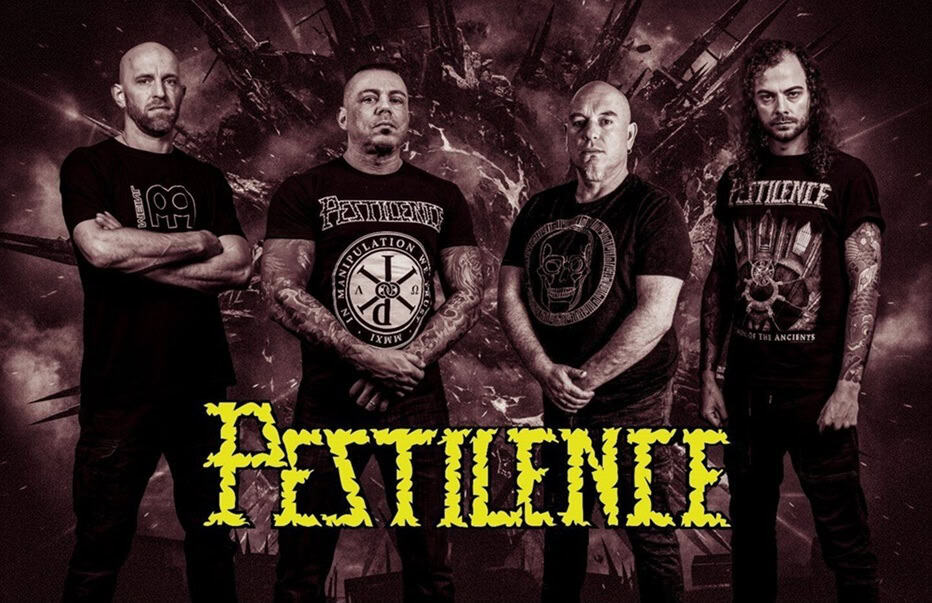
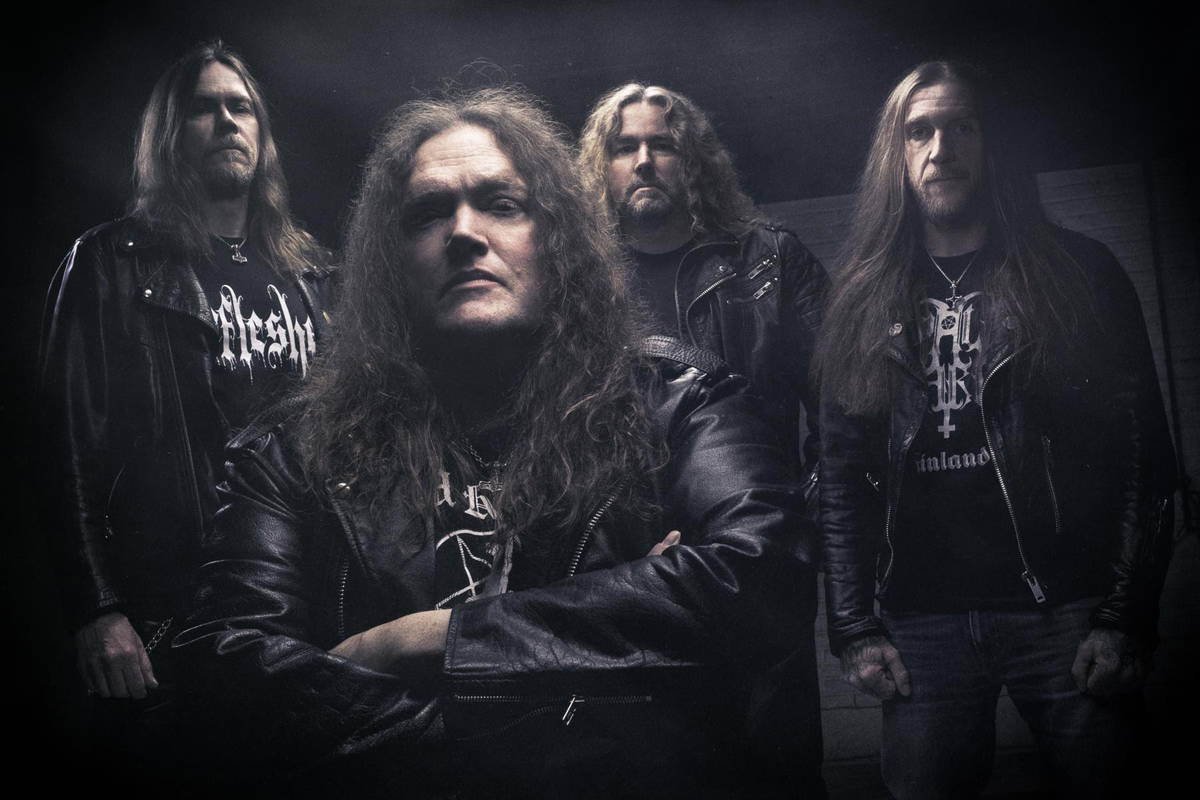
Of all the bands that emerged during the explosion of European death metal in the late ’80s, few left as deep a mark as Pestilence. And yet, despite their immense importance to the genre, they never achieved the commercial recognition enjoyed by some of their contemporaries. Perhaps because they never chose the easy path. Perhaps because Patrick Mameli and his fellow musicians always preferred looking forward rather than repeating themselves.
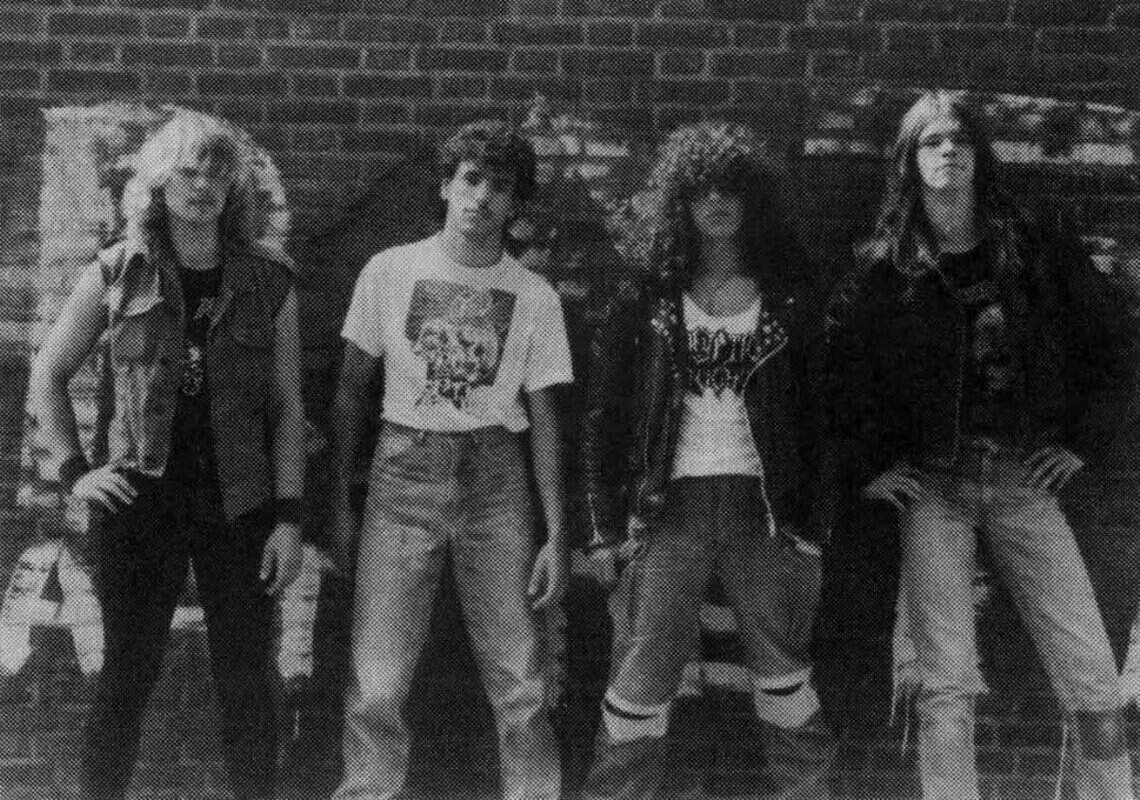
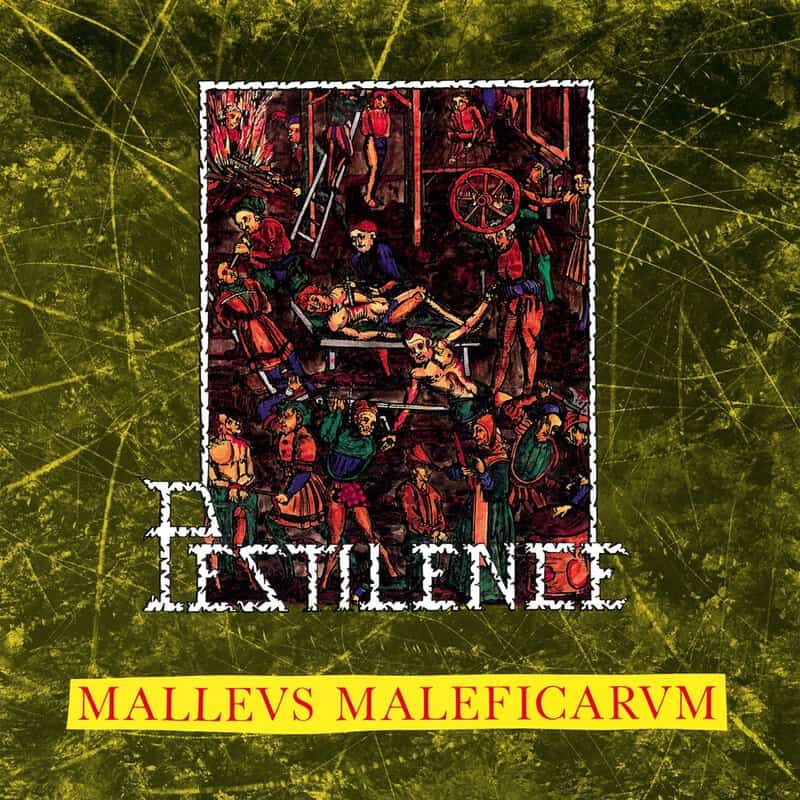
Pestilence were formed in the Netherlands in 1986 as a pure thrash metal band, heavily influenced by the most extreme sounds of the era. Their debut album, Malleus Maleficarum (1988), stands firmly on thrash foundations while already hinting at the death metal direction that would soon follow. Raw, aggressive, and packed with energy, it remains a perfect snapshot of a time when thrash metal was evolving into something darker and far more extreme.
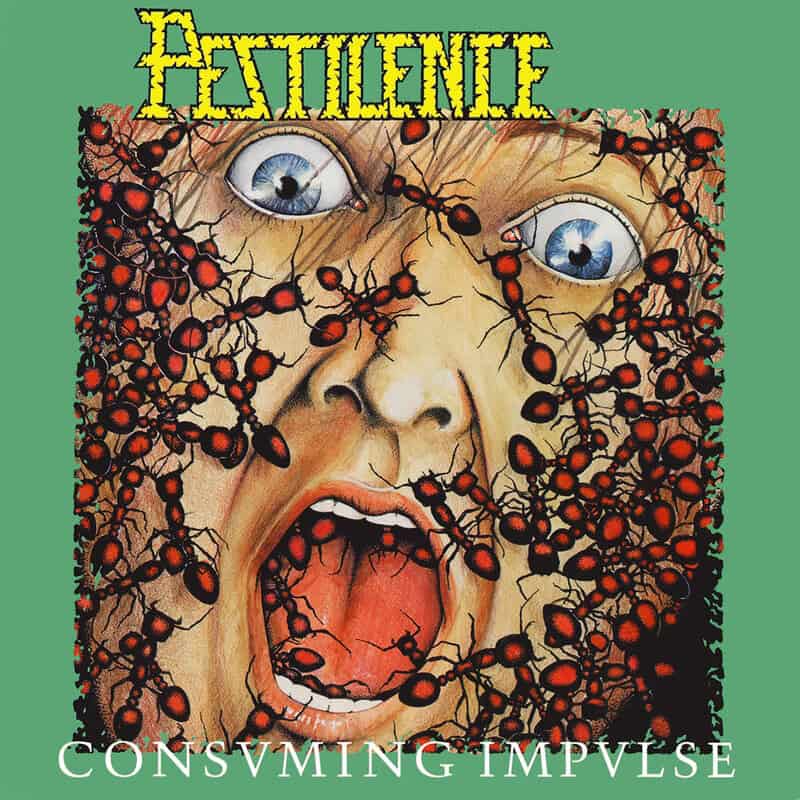
The real breakthrough came a year later with Consuming Impulse. For many fans and critics alike, it remains one of the most important European death metal albums ever recorded. With Martin van Drunen handling vocal duties, Pestilence delivered an album that was dark, brutal, and remarkably timeless. Tracks such as “Dehydrated,” “Out Of The Body,” and “Echoes Of Death” still sound as powerful today as they did upon release. Anyone seeking to understand why Pestilence are regarded as one of the defining bands of European death metal needs only to experience this album from start to finish.
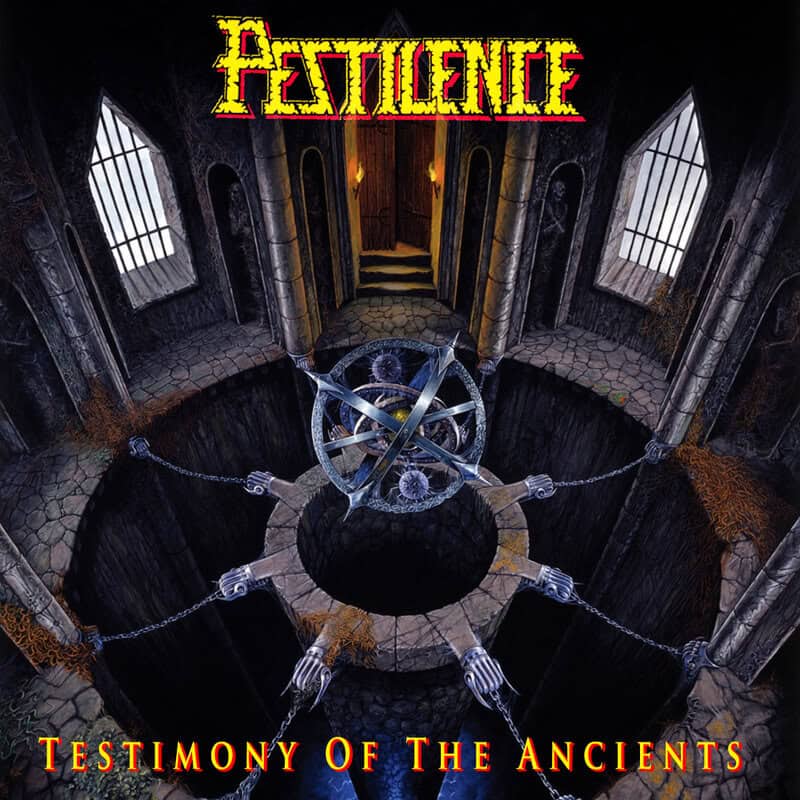
Rather than repeating a successful formula, however, the band chose evolution. With Testimony of the Ancients (1991), Pestilence embraced a more technical and progressive approach. The songwriting became more intricate, the arrangements more sophisticated, and the band’s musical vision expanded considerably. It was clear that they were not simply interested in becoming heavier—they wanted to grow as musicians and composers.
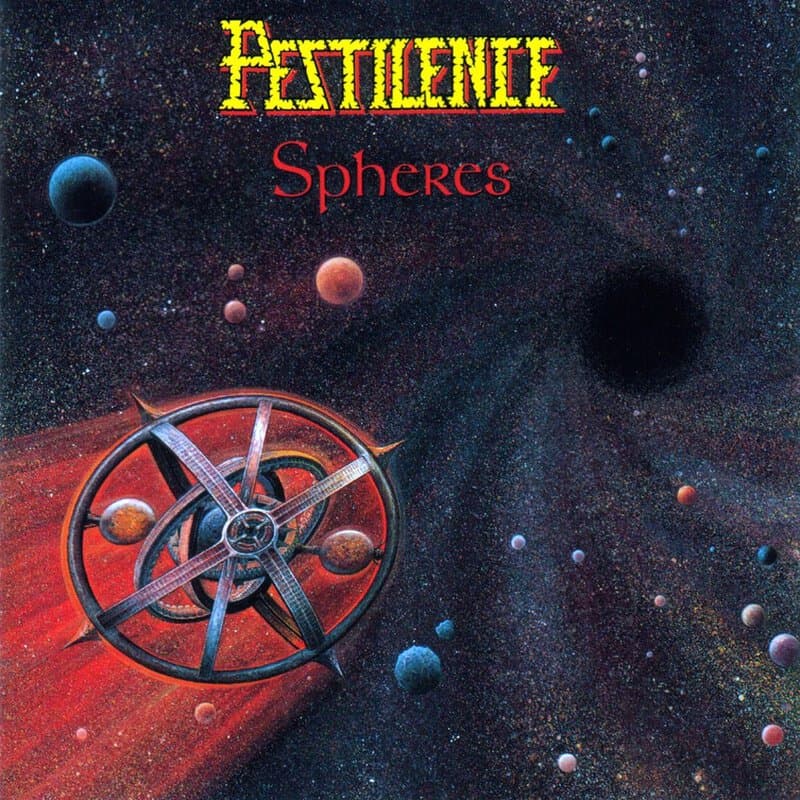
That creative journey reached its peak with Spheres in 1993. An album that divided fans and critics alike, Spheres introduced jazz fusion influences, fretless bass, guitar synthesizers, and an almost cosmic atmosphere unlike anything the band had attempted before. Many fans were bewildered by its direction, while others hailed it as a masterpiece. More than three decades later, it feels less like an odd experiment and more like an album that was simply ahead of its time.
Following their split in the mid-’90s, Pestilence returned in 2008 and continued releasing new material without relying solely on nostalgia. While their post-reunion albums may not have had the same impact as their classic works, they proved that Patrick Mameli’s creative spirit remained alive, restless, and determined to push forward.
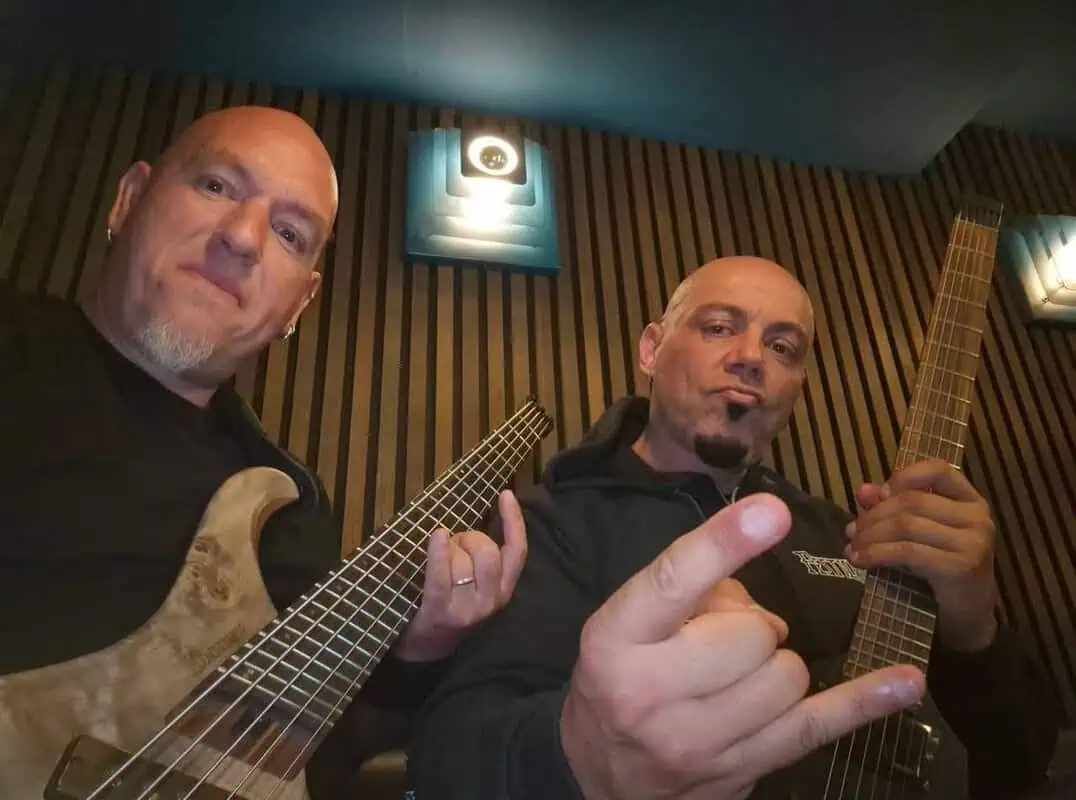
The legacy of Pestilence is not defined solely by the albums they released. It lies in their willingness to evolve. In a scene that often punishes those who dare to change, Pestilence had the courage to follow their own path. That is why they remain one of the most influential and important bands ever to emerge from the European death metal movement.
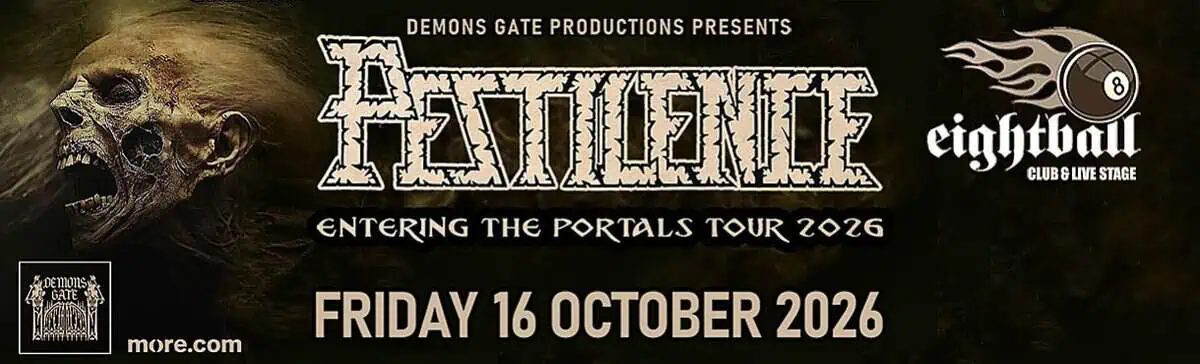
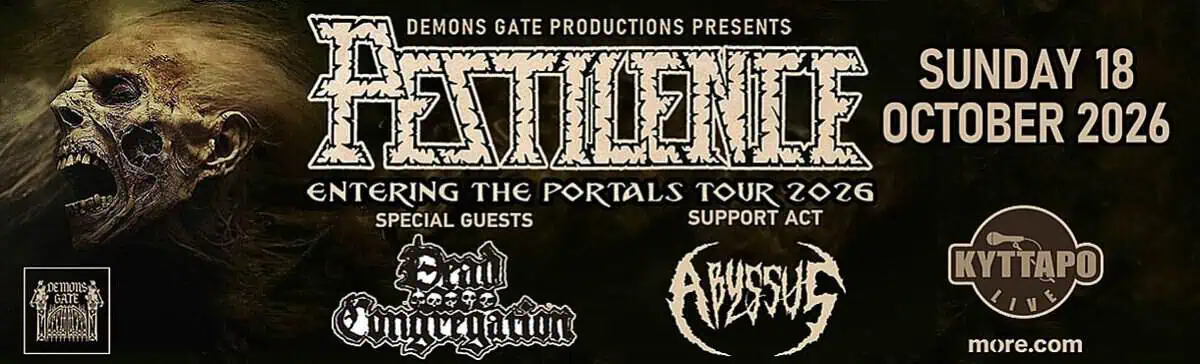
The good news for Greek fans is that they will soon have the chance to witness that legacy firsthand. Pestilence will return to Greece for two performances in October 2026. The first will take place on Friday, October 16 at the Eightball Club in Thessaloniki. Two days later, on Sunday, October 18, they will appear at the Κύτταρο Live Club in Athens, joined by Dead Congregation and Abyssus.
For lovers of authentic old-school death metal, these are performances not to be missed. After all, opportunities to see a band that not only witnessed the birth of a genre but actively helped shape its evolution do not come around very often.


No comments yet. Be the first to comment!