
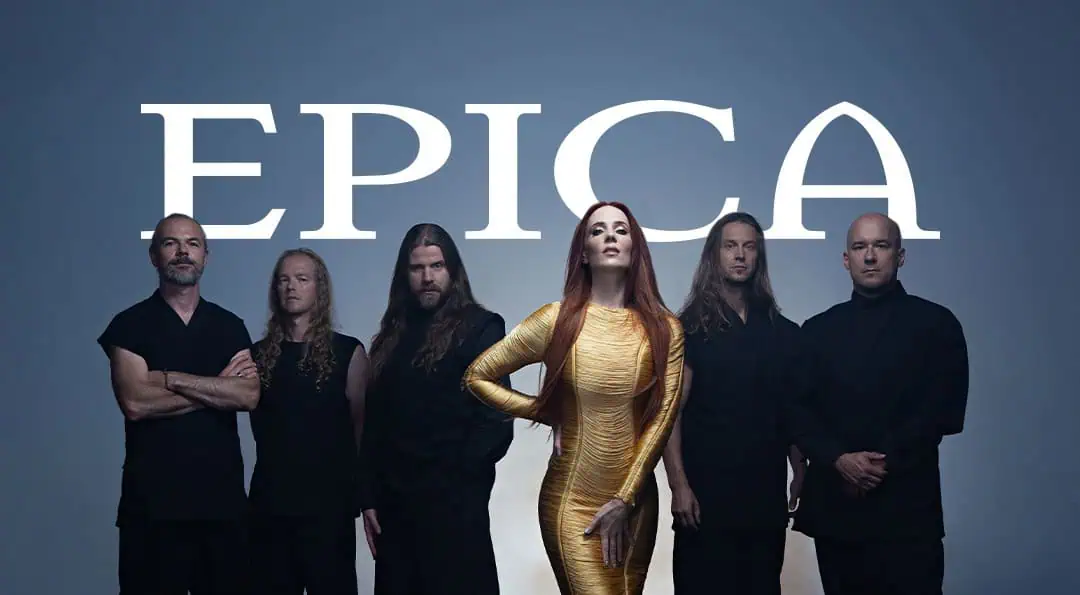
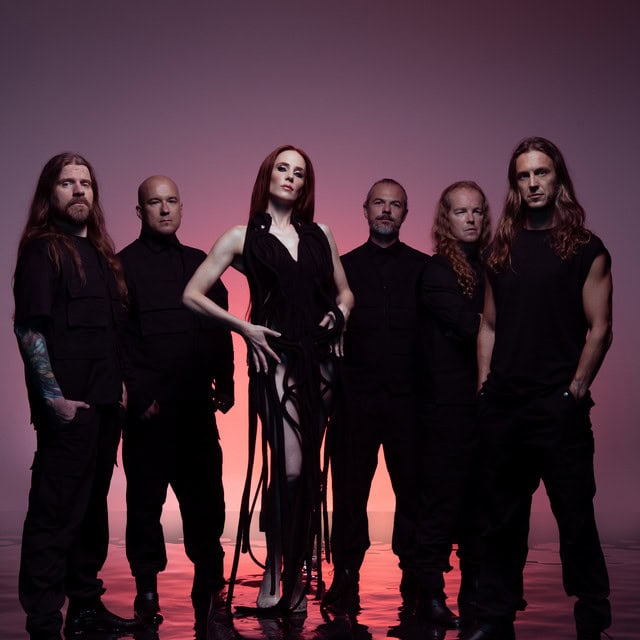
For more than two decades, EPICA have stood among the defining forces of symphonic metal, constantly evolving their sound while preserving the cinematic intensity and emotional depth that made them one of the genre’s most respected names.
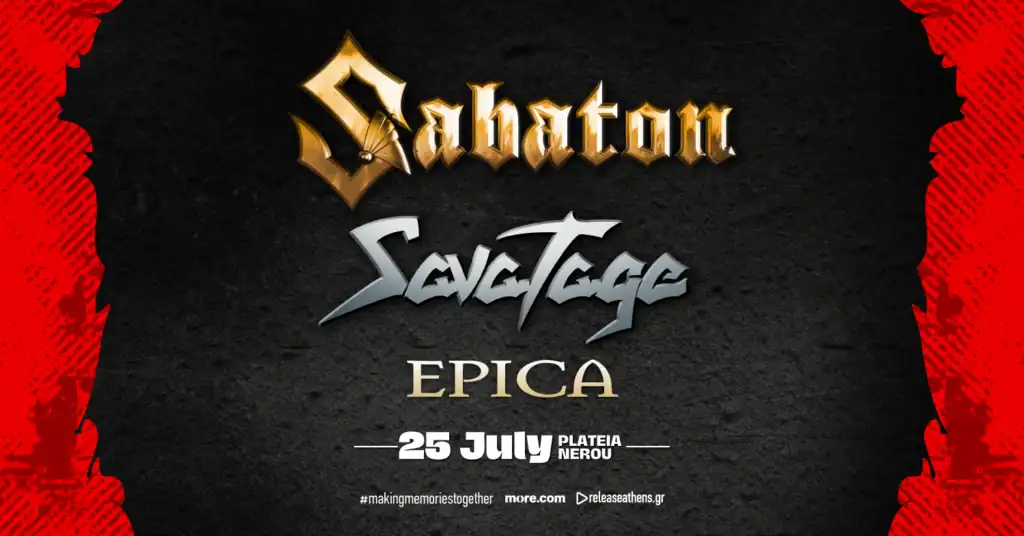
With the release of their latest album “Aspiral” and a major summer appearance at Release Athens Festival alongside SABATON and SAVATAGE, the band once again finds itself at the center of the metal world’s attention. Ahead of their return to Greece, we had the chance to speak with EPICA’s drummer Ariën van Weesenbeek about “Aspiral”, the evolution of the band’s sound, the role of AI in modern music production, life on the road, and the challenge of balancing artistic passion with the realities of the modern music industry.
Metalwar: Ariën, welcome to metalwar.gr and thank you for taking the time to speak with us.
Ariën van Weesenbeek: Thank you. Honored to be here.
Metalwar: “Aspiral” arrives four years after “Omega” and sees EPICA returning to the monumental “A New Age Dawns” saga with parts VII, VIII and IX. Why did this feel like the right moment to revisit and conclude a concept that has been part of the band’s identity for more than two decades?
Ariën: To be honest, you’re asking the wrong person because I’m not the lyric writer — Mark would definitely be able to answer that better. But since this is our ninth album, it somehow felt natural to intertwine the whole “A New Age Dawns” concept again. I think that’s mainly why we returned to it this time.
Metalwar: Songs like “Arcana” and the title track “Aspiral” balance huge symphonic arrangements with modern progressive and electronic elements. How do you continue pushing the boundaries of symphonic metal in 2026 without losing the identity EPICA has built over the years?
Ariën: What we did this time is actually what we’ve always done. Everyone in the band comes from different musical backgrounds, and we all try to bring small elements of those influences into EPICA’s sound.
When I joined the band in 2007 and started contributing to the songwriting process, my goal was always to introduce ideas that still fit within the EPICA universe while keeping things fresh and interesting — both for ourselves and for the fans.
We’ve never wanted to make the same album twice. Every album becomes a sort of reaction to the previous one. “The Holographic Principle” was very heavy, technical and aggressive, while “Omega” was more dynamic and accessible. I think “Aspiral” naturally became a reaction to that. That balance between evolution and identity happens very organically for us.
Metalwar: EPICA has always been praised for working with real orchestras and choirs in the studio instead of relying entirely on samples. In an era increasingly dominated by AI and digital production, how important is it for you to preserve that human and organic aspect of music?
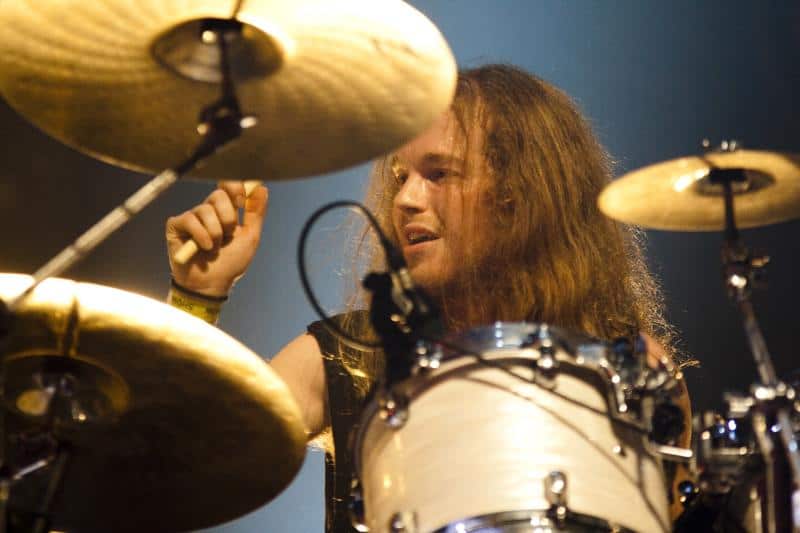
Ariën: It makes a huge difference for us. Real musicians are the real deal. AI can imitate a lot of things and of course it can reduce costs, but you can’t replace human performance, human feeling, or the sound of real instruments played by real people.
As long as we are in a position where we can work with actual orchestras and musicians, we absolutely want to continue doing that. For us, the authenticity matters.
Metalwar: Are you concerned about the future of music with AI becoming increasingly present?
Ariën: Personally, no. I think AI is becoming a trend right now, but eventually people will return to real music because that emotional connection cannot truly be replicated by computers. Technology can help to a certain extent, but you can still hear and feel the difference.
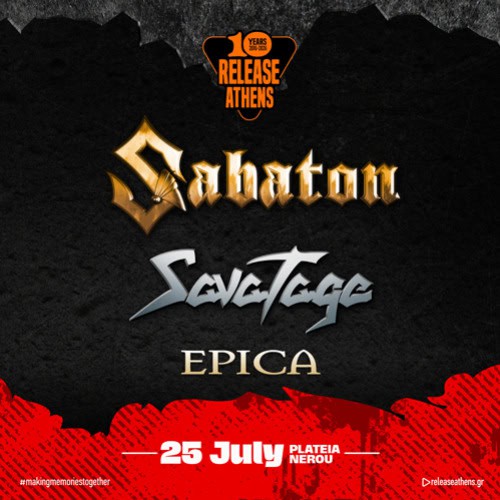
Metalwar: One of the reasons we’re speaking today is EPICA’s upcoming appearance in Athens on July 25th at Release Athens Festival. You’ve played in Greece many times over the years and the band clearly has a strong fanbase here. How does it feel to return once again sharing the stage with two huge heavy metal bands like SABATON and SAVATAGE?
Ariën: It always feels great coming back to Greece. The crowds are amazing, the shows are fantastic, the food and the weather are incredible, and the overall mentality and atmosphere are always special. I’ve personally been visiting Greece since 2001, so returning always feels familiar in a way.
Indeed, the last time we were in Athens was a couple of years ago without Mark because his fiancée was pregnant. It seems so long ago, but it’s only been a couple of years but it always feels good to be back in Greece.
And it’s also great to share the stage with SABATON again. We toured together in the United States back in 2022, so it’ll be nice to meet up with those guys again.
Metalwar: Since we’re talking about live performances, can you mention one or two shows throughout your career with EPICA that remain especially memorable for you? I always enjoy hearing touring stories from musicians.
Ariën: One show that immediately comes to mind was in Eindhoven, before I officially became a member of the band. It was the release show for “The Divine Conspiracy”. I still remember the feeling I had that night — this incredible rush of energy. That performance really stayed with me.
And more recently, the last two orchestral shows we performed in Mexico were absolutely outstanding. Those concerts felt truly special on an emotional level.
Metalwar: During the recent “Arcane Dimensions” tour with AMARANTHE and Charlotte Wessels, you mentioned in previous interviews that EPICA wanted to deliver a “next-level” stage production. From a live production perspective, what is the biggest challenge in bringing the massive visual world of “Aspiral” to life every night on stage?
Ariën It’s always a balancing act. First of all, there’s the question of budget — what can we realistically afford, and what elements will genuinely elevate the visual experience for the audience.
But beyond that, one of the biggest challenges is actually building the right setlist and then creating visuals that connect naturally with those songs. Finding the proper balance between music, atmosphere and production is probably the most difficult part.
Fortunately, we work with very talented people when it comes to visuals and stage production. The real challenge is not creating the visuals themselves, but deciding which visuals fit each song and how everything flows together throughout the entire show.
Metalwar: Which EPICA song is the most challenging for you to perform live? And on a more personal level, which songs from the band’s catalogue have become especially meaningful to you over the years?
Arjen: Technically speaking, songs like “Fools of Damnation” and “Martyr of the Free Word” are always challenging to perform live. And from the new album, “Darkness Dies in Light” would definitely be a demanding one if we decide to add it to the setlist.
As for the second part of your question, it’s difficult to pick just one song because every album represents a different period for the band. But if I had to mention a few that became truly special for us, I would say “Design Your Universe” is definitely one of them.
And of course, there are songs like “Cry for the Moon” that we almost can’t leave out of a live set anymore. The same goes for “Consign to Oblivion.” In fact, during the last couple of tours we didn’t play it, and many fans reacted immediately — people were asking, “What’s going on?”
Sometimes we try to rotate songs and introduce something different, but certain tracks have become such an essential part of EPICA
’s identity that fans naturally expect to hear them live.
Metalwar: You recently released live videos like “Eye of the Storm” recorded at a completely sold-out Ziggo Dome in front of 10,000 fans. When a band achieves this arena-level status, does the intimacy of the performance change, or do you still find ways to connect with the individual fan in the front row?
Ariën: Definitely. The bigger the venue, the harder it becomes to truly connect with people individually — especially for me as the drummer because I’m physically so far away from the audience.
Sometimes in large arenas, depending on the lighting, I can only really see the first few rows and everything beyond that feels almost invisible. In smaller venues, you immediately feel the crowd’s energy directly in front of you, and that interaction becomes much more intense.
Energy-wise, I personally prefer smaller venues because everything feels more alive and immediate. But at the same time, playing for ten thousand people also creates a completely different adrenaline rush especially when you haven’t played for a long time.
Metalwar: Some time ago, EPICA announced a very special anniversary performance at the legendary Royal Theatre Carré to celebrate the band’s 25th anniversary in early 2027. By then, you will also have completed nearly two decades as a member of the band. Looking back at your journey — both with EPICA and the bands you played with before — what is the biggest personal sacrifice you had to make in order to live this life?
Ariën: Honestly, I don’t really see it as a sacrifice because I never felt like I had to compromise. From the age of fifteen, I already knew exactly what I wanted from life. I wanted to tour, play music and live freely.
I never had the desire to get married or have children. That lifestyle simply never appealed to me, so I never felt like I was giving something up in order to pursue music. It was just naturally who I was.
Looking back now, I don’t have regrets about those choices. I feel fortunate that I was able to follow the path I wanted from such an early age.
And especially after COVID, I still feel incredibly grateful that we can continue doing this professionally — that the band is still thriving, that we still enjoy making music together, and that there’s still so much creative energy left within EPICA. In the end, that’s what matters most.
Metalwar: One thing that stands out about EPICA is the stability of the lineup. Most members have been together for many years, which is increasingly rare in metal bands.
Ariën: I think one of the reasons it works is because outside the band we actually don’t spend that much time together privately. We give each other space.
That way, when we meet again for rehearsals or tours, we’re genuinely happy to see each other. We respect each other’s personalities, strengths and flaws. That mutual respect has kept the chemistry healthy for almost twenty years now.
The last time we had to change a member was in 2012 when Yves had to go because he could not combine his other work with the band. Since then, we had been quite stable.
Metalwar: EPICA has evolved into one of the most professional and consistently successful bands in modern metal. At this point, the band almost operates like a perfectly organized machine in metal music industry. How difficult is it to balance the corporate realities of large-scale touring, management, and business decisions with the spiritual and emotional passion required to create music like yours?
Ariën: Fortunately, we work with a manager who handles most of the business side of things. Still, business meetings are unavoidable. Sometimes they can take a bit of the spirituality out of being in a band, but they are necessary. At the end of the day, we have to protect our interests and keep everything running.
Our manager has been with us since 2013 and he’s done an excellent job. He looks out for us, and we look out for him. Everyone within the team has their own role and focus, which creates a healthy balance.
The good thing is that we don’t constantly deal with the business side. We keep it manageable, and because of that, it never really takes away the joy of making music.
Metalwar: Finally, what can fans expect from EPICA in the near future?
Ariën: We’re preparing some special things for the band’s 25th anniversary, although I can’t reveal too much yet. We’ll also continue writing new music. There’s still plenty of creativity left in the band and we still enjoy doing this together — and that’s the most important thing.
Metalwar: I would like to thank you once again Arien for your time! You may close this interview with a message to the Greek fans.
Arien: Thank you for all your support throughout the years. We can’t wait to return to Greece, share some great rock and roll vibes, and play an amazing show for you all. See you in July!
Interview: Kostas Boudoukos
Question Editing: Kostas Boudoukos, Joanna Gonas

No comments yet. Be the first to comment!