
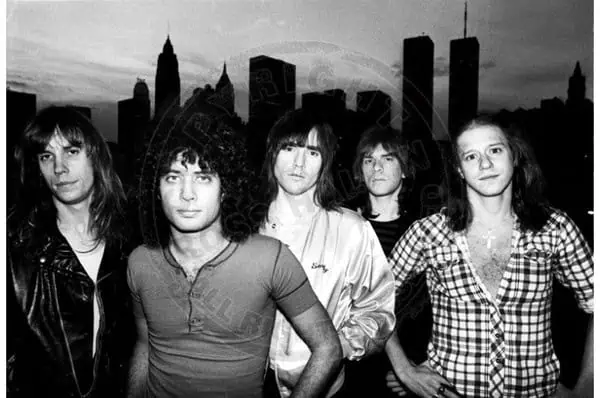
A band’s journey and legacy are not necessarily measured in revenue, sales figures, or sold-out shows in huge arenas around the world. The fact alone that RIOT celebrated 50 years of existence last year is enough to understand their importance, as well as the fact that they are one of the most influential bands in American Heavy and Power Metal.
Their story began in 1975 in New York, when guitarist Mark Reale formed RIOT alongside guitarist Lou Kouvaris, bassist Phil Feit, and vocalist Guy Speranza. From that moment and throughout his entire life, Reale would remain the soul and the one constant connecting RIOT to their roots. Only his death in 2012 would bring that unique relationship to an end.
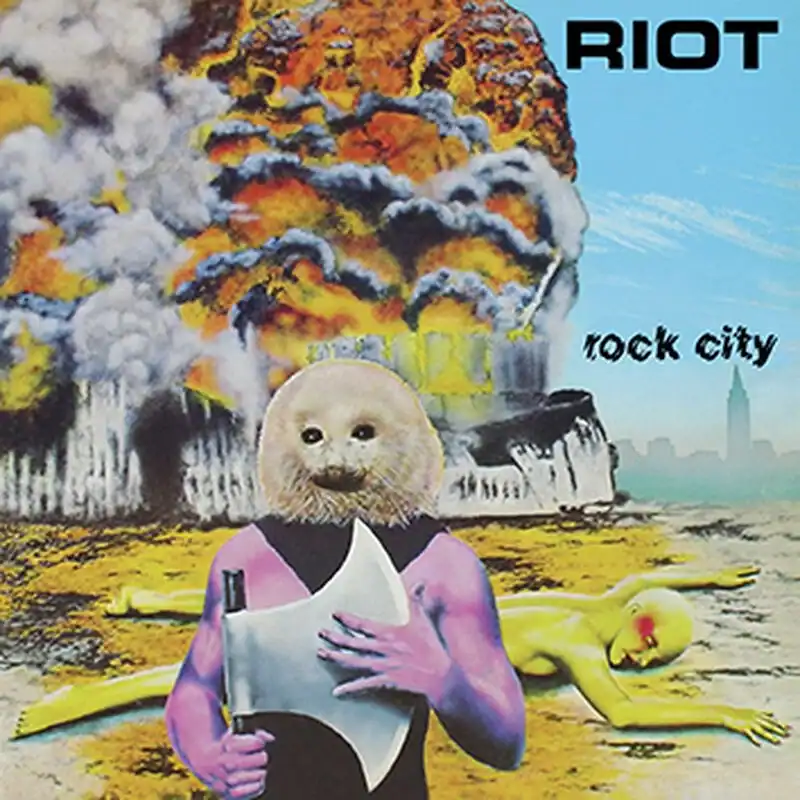
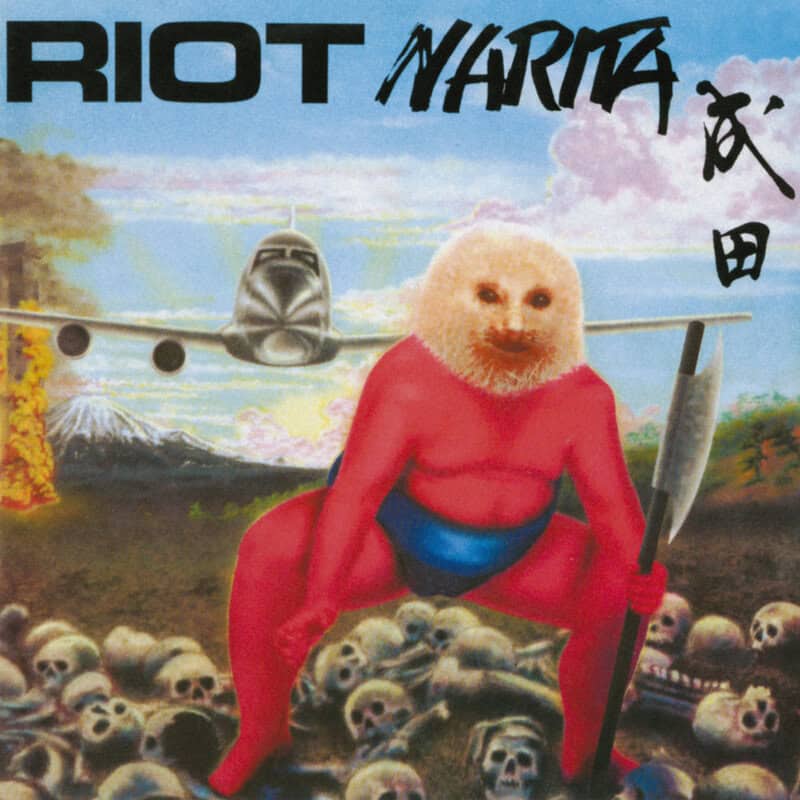
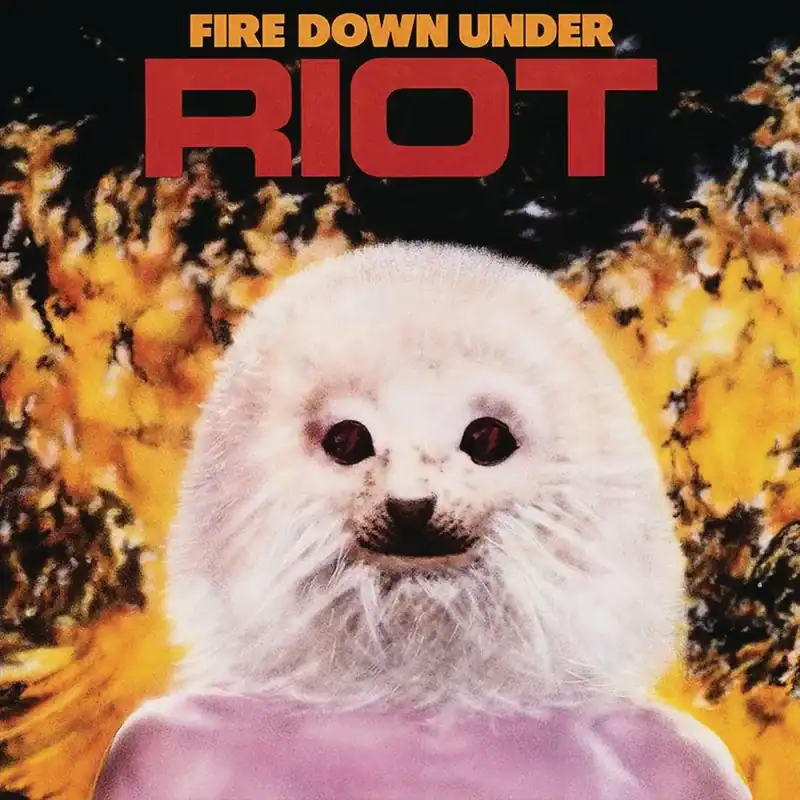
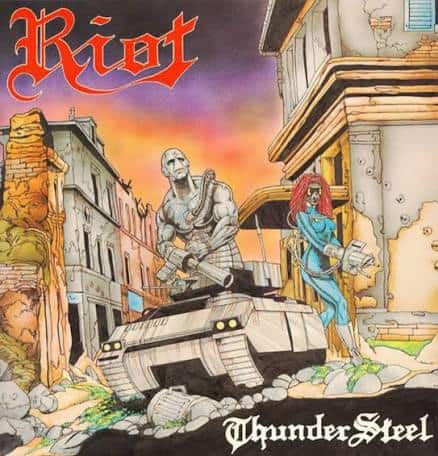
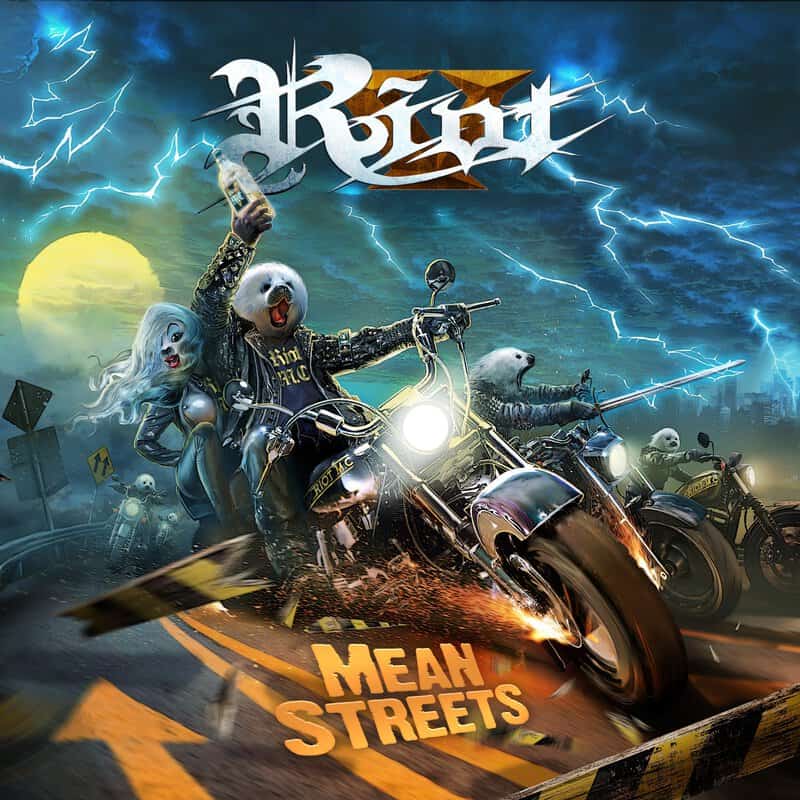
Their first two albums of the 1970s, “Rock City” in 1977 and “Narita” in 1979, provided a solid foundation for RIOT to begin gaining recognition, particularly in the European market, while also offering a glimpse of a sound that was constantly evolving alongside the genre itself. In 1980, they would break into the British market by opening for Sammy Hagar, but more importantly through their appearance at the legendary Monsters of Rock festival, performing alongside huge names such as RAINBOW, SCORPIONS, SAXON, and others.
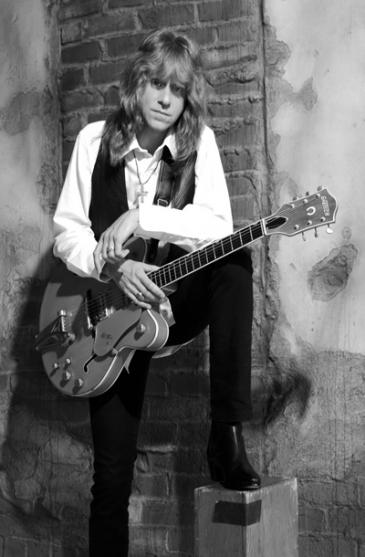
The major turning point in their history came in 1981 with “Fire Down Under”, an album that opened a golden decade for the band. It was arguably their first truly great record, with their sound becoming more aggressive and Heavy Metal gradually taking the place of their earlier Hard Rock approach. It is no coincidence that songs such as “Swords and Tequila” and “Fire Down Under” are still regarded as classics today.
Around that time, however, the first problems with their record label emerged, along with the first major departure, that of Guy Speranza. Interestingly, each member of the band had a different version of the reasons behind his departure. Speranza was eventually replaced by Rhett Forrester.
The period between 1981 and 1988 was a turbulent one for the band. Although they released the slightly more melodic “Restless Breed” in 1982 and “Born in America” in 1983, internal difficulties and constant lineup changes eventually led to the band’s temporary breakup in 1984.
Reale’s remarkable persistence, however, would soon pay off. In 1988, with a new lineup, RIOT released the legendary “Thundersteel”, a landmark example of Speed and Power Metal. With Tony Moore on vocals, Donnie Van Stavern on bass, and Frank Gilchriest on drums, Mark Reale developed a faster, more aggressive, and more technical sound that represented US Power Metal at its very best and pushed the genre even further.
Today, “Thundersteel” is regarded as one of the finest Metal albums of the highly influential 1980s. “Privilege of Power”, released in 1990, followed the same aggressive path, while also allowing RIOT to experiment with choirs, keyboards, and more complex song structures.
At the beginning of the 1990s, the entire Metal scene was going through a transitional period, with bands searching for their next creative direction. RIOT continued to experience lineup changes, but this did not prevent them from remaining creatively active.
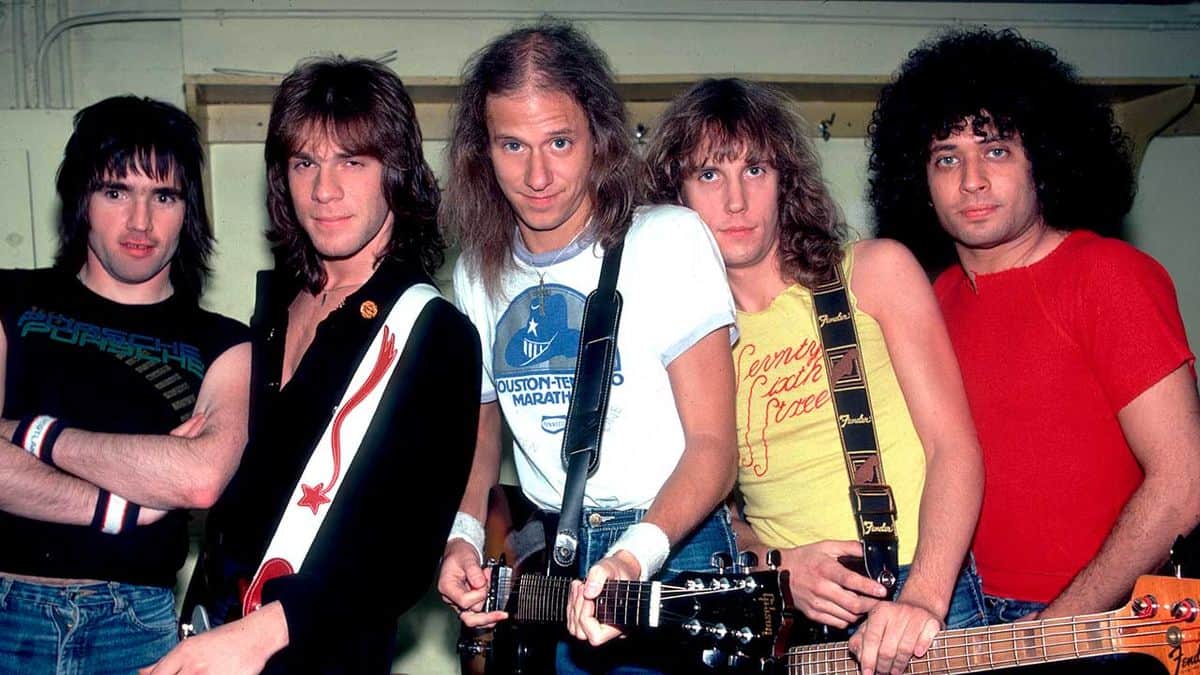
In 1993, they released “Nightbreaker”, featuring Mike DiMeo on vocals. The album marked a shift toward more traditional Heavy Metal, with even some Hard Rock influences reminiscent of the band’s early years. DiMeo would demonstrate remarkable longevity and consistency as a member of RIOT for approximately 12 years, appearing on important albums such as “The Brethren of the Long House” in 1995, “Inishmore” in 1997, and “Sons of Society” in 1999.
And so, the new millennium found Reale and RIOT continuing to persevere, remaining active and producing new music. They never became commercial giants, as Reale seemed largely uninterested in that aspect of the band’s existence. With that mindset, he continued until 2011, when they released “Immortal Soul”, one of the great “what ifs” of that period.
Why? Because Tony Moore had returned to the microphone, creating expectations for a powerful new beginning for the band. Sadly, the tragic death of Mark Reale on January 25, 2012, shortly before RIOT were scheduled to perform at 70,000 Tons of Metal, brought the career of an important Heavy Metal musician to a sudden end. He was just 56 years old.
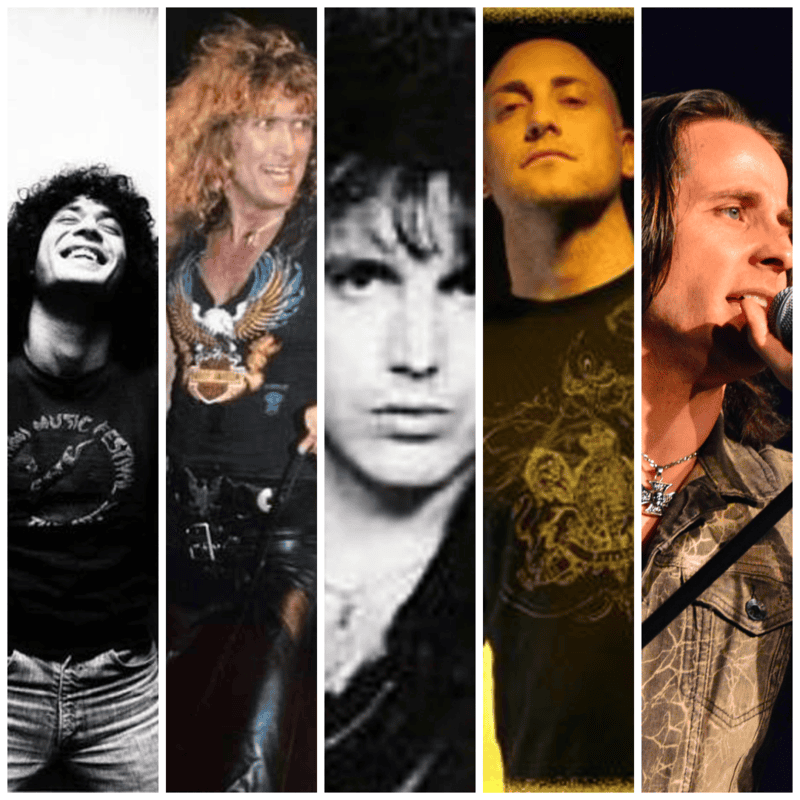
The death of the only remaining founding member could have marked the end of RIOT. Instead, the remaining members decided to preserve his legacy and continue as RIOT V, as Reale’s father did not agree with the band continuing to use the RIOT name without his son at the helm. They therefore added a “V” — the Roman numeral for five — as a reference to the five singers who had passed through the band.
With “old” member Donnie Van Stavern taking on a major role in the new era and the excellent Todd Michael Hall handling vocals, the band released “Unleash the Fire” in 2014, proving that their decision to continue was the right one. Their two most recent albums, “Armor of Light” in 2018 and “Mean Streets” in 2024, further demonstrate the musicians’ respect for Reale’s work and their determination to keep his memory alive through music that he himself would have wanted to play on his guitar.
RIOT never reached the level of IRON MAIDEN, JUDAS PRIEST, or METALLICA. Of course, this is strictly in commercial terms and not artistic ones. Their artistic impact, and especially that of Mark Reale, is enormous and has left an indelible mark on the music we love.
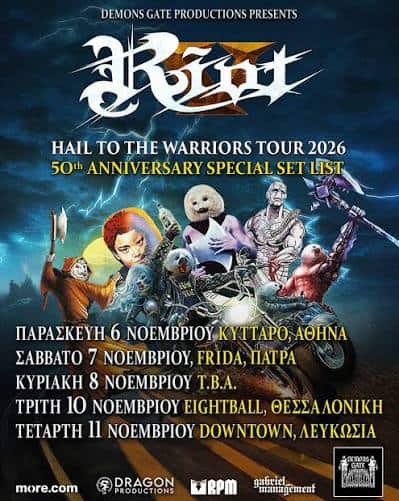
Greek Metal fans have always held RIOT in extremely high regard. After all, the hardcore US Power and Heavy Metal fanbase in Greece is large and particularly passionate. RIOT V will once again return that love with a mini tour across Athens, Patras, Larissa, and Thessaloniki this November (tickets on www.more.com), celebrating 50 years of history. And we owe it to ourselves, as well as to the memory of Mark Reale, to be there.
No comments yet. Be the first to comment!